This page contains affiliate links. If you buy through them we may earn a commission at no extra cost to you.
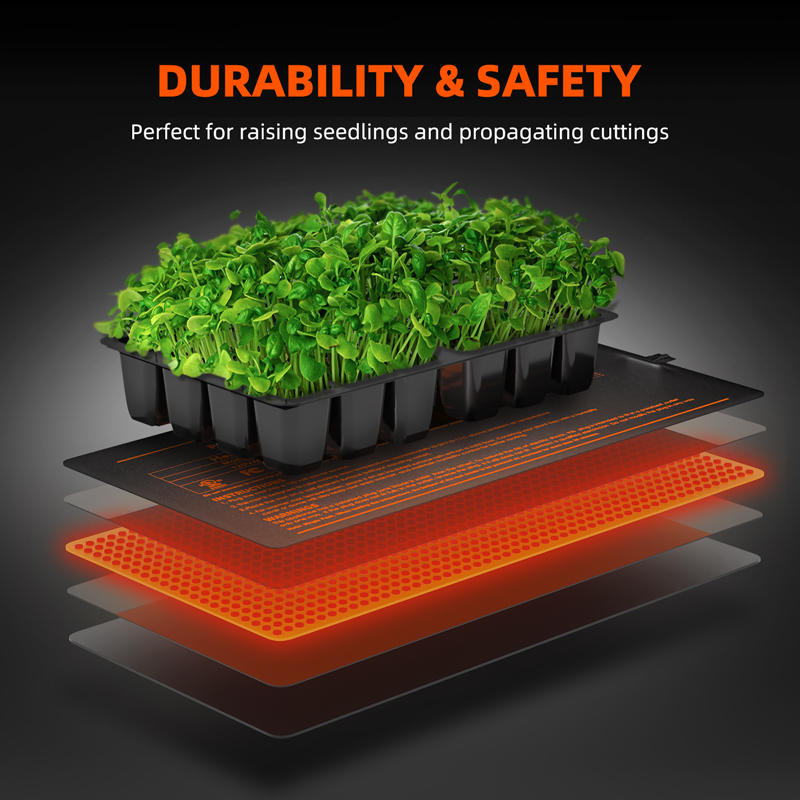
The short answer: you do not always need a heat mat, but it can make a real difference for warm-season crops and for gardeners with cool rooms. Here is how to decide.
Why soil temperature matters
Seeds respond to the temperature of the soil, not the air. A room that feels comfortable to you may still leave the soil in a tray on the cool side, which slows germination or lowers the number of seeds that sprout. A heat mat warms the soil from below.
Which seeds benefit
These are approximate germination ranges. Always check your seed packet, which is specific to your variety.
| Crop | Soil temperature for germination (approx.) | Heat mat useful? |
|---|---|---|
| Peppers, eggplant | 75 to 85°F (24 to 29°C) | Yes, especially in a cool room |
| Tomatoes | 70 to 85°F (21 to 29°C) | Often helpful |
| Cucumbers, squash, melons | 70 to 90°F (21 to 32°C) | Often helpful |
| Basil | 70 to 80°F (21 to 27°C) | Helpful in cool rooms |
| Broccoli, cabbage, kale | 65 to 80°F (18 to 27°C) | Usually not needed |
| Lettuce | 60 to 70°F (16 to 21°C) | No. Too much heat can stop germination |
How to use a heat mat
- Place the mat on a flat, dry surface and set the tray on top.
- Check the soil temperature with a probe or thermometer rather than guessing. A mat commonly warms soil by roughly 10 to 20°F above room temperature, but this varies.
- Check moisture more often. Warm soil dries faster.
- Remove the tray from the mat once most seeds have sprouted. Extra heat after germination can lead to weak, leggy seedlings.
Safety: Use a mat made for plants, follow the manufacturer's instructions, keep the cord and plug away from standing water, and do not stack heavy items on it.
Do you need a thermostat?
A plain mat has no temperature control, so soil can get warmer than ideal. A mat with a built-in thermostat or a separate thermostat controller holds a steady temperature, which is helpful if you grow heat-loving plants every year. For a casual first season, a basic mat plus a thermometer is enough.
Skip it if...
- You mostly grow lettuce, kale, broccoli and other cool-season crops.
- Your growing space is already warm, around 70°F (21°C) or more.
Thinking about a seedling heat mat?
See what is available, check the size against your tray and read recent reviews.
See heat mats on Amazon