Choose the right seed starter tray and grow stronger seedlings.
Starting seeds indoors gives you a head start on the season. A good tray keeps moisture even, protects young roots and makes transplanting easy. Here is how to choose one.
You will be taken to Amazon.com. Prices and availability are shown there.
Top picks by type
Trays differ in cell size, lids and build. These are the types we would look at first, depending on what you grow. See all five picks and the comparison table.
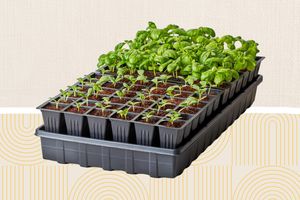
Tray set with dome and drainage
A standard multi-cell tray with a vented dome and a solid base. Works for most vegetables, herbs and flowers.
- Vented, clear dome
- Roughly medium cells
- Leak-proof base tray
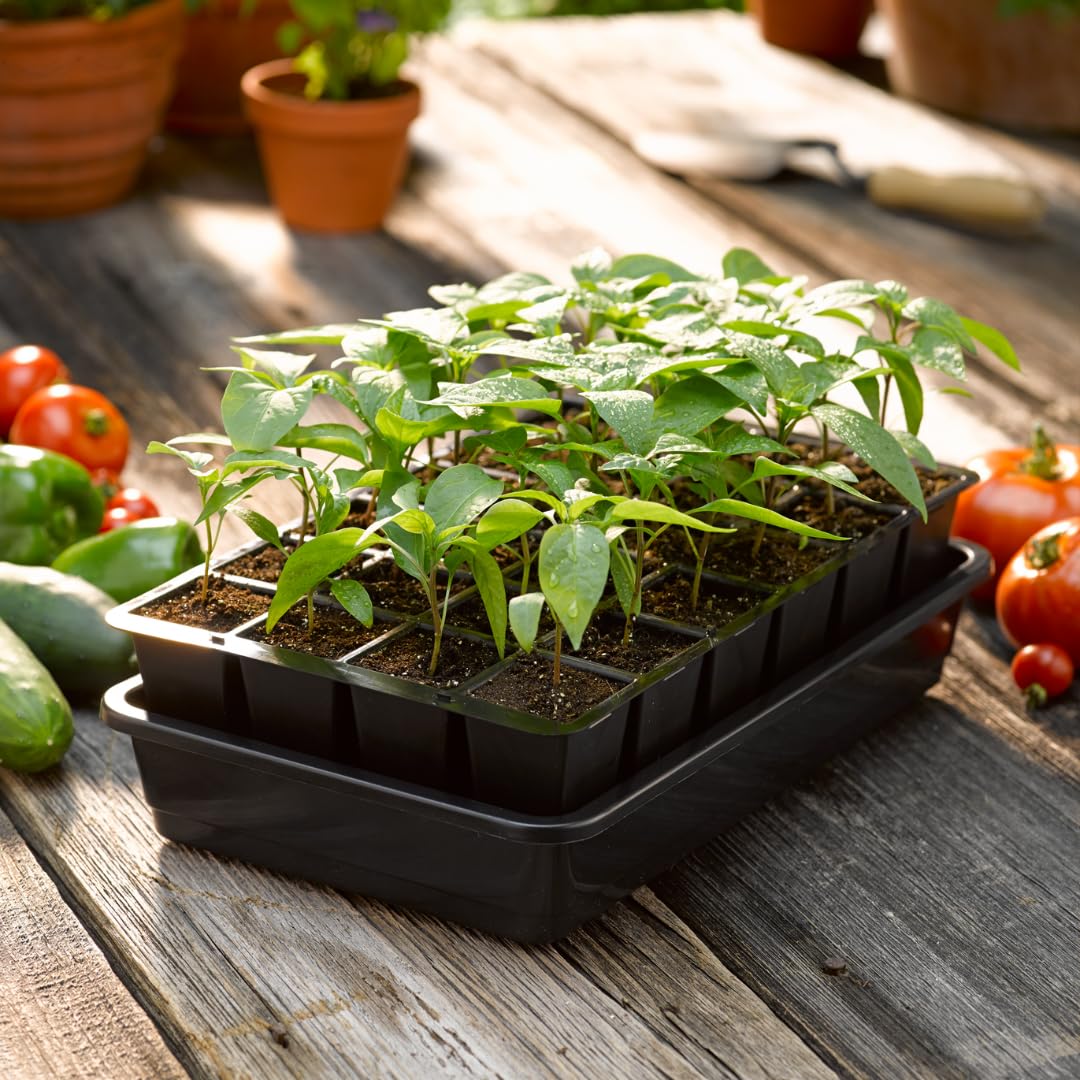
Starter kit with labels
An all-in-one kit with a modest number of cells, labels and a dome, so there is less to buy and less to plan.
- Includes labels
- Fewer cells, easier to manage
- Sturdy plastic
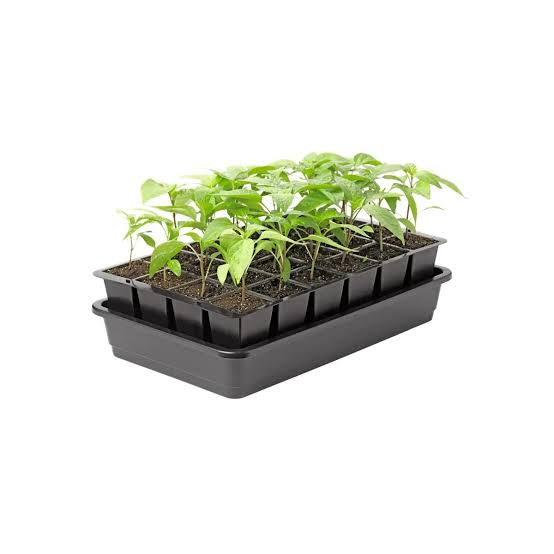
Fewer, larger cells
Trays with larger cells give tomatoes, peppers and squash more room for roots before transplanting.
- Deeper cells
- Good drainage holes
- Sturdy tray or flats
New to starting seeds? Start here
Short, practical guides to help you buy the right gear and avoid common mistakes.
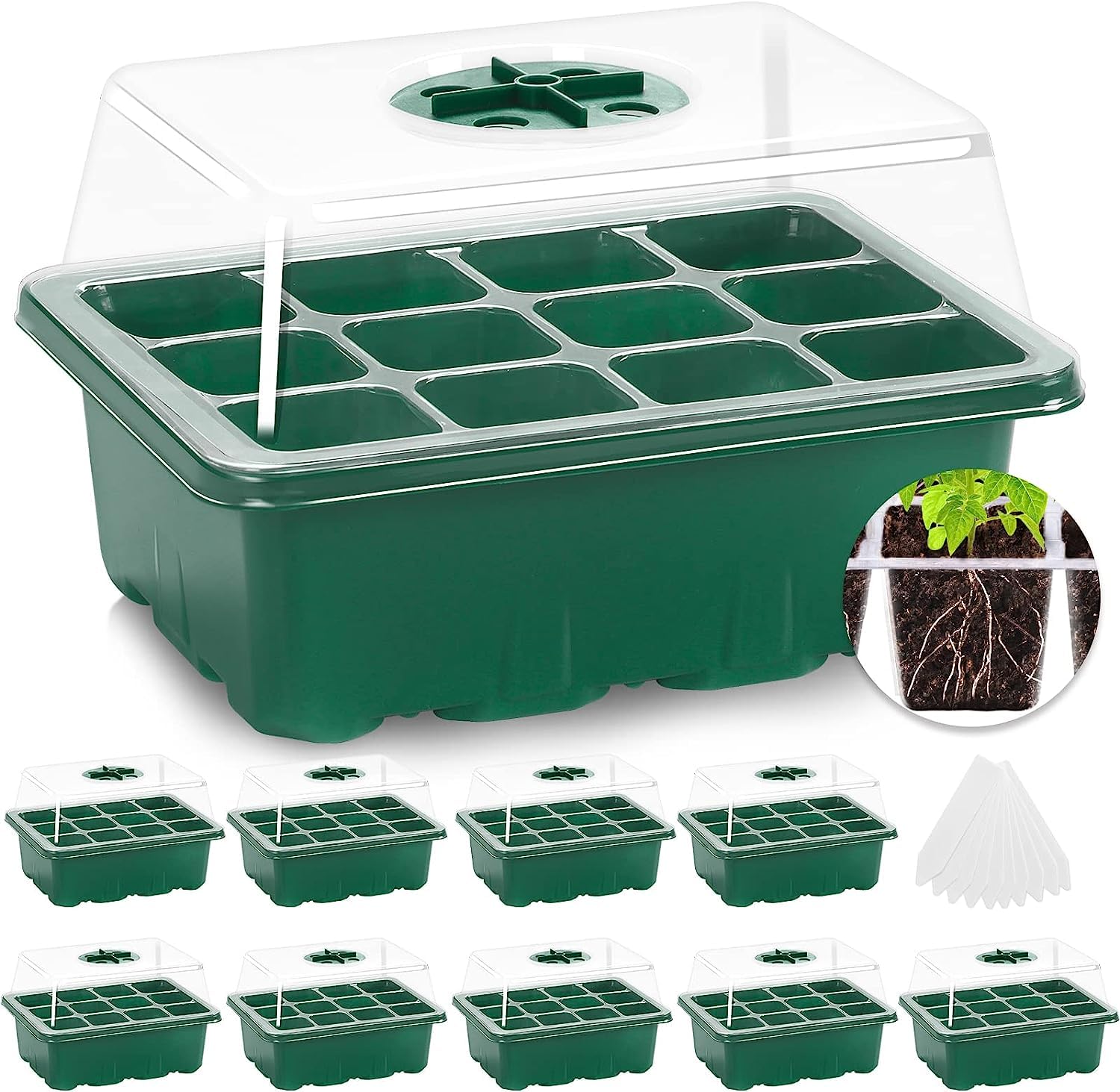
Best Seed Starting Kit with Humidity Dome
What a dome kit includes, what to check before you buy, and when to take the lid off.
Read the guide →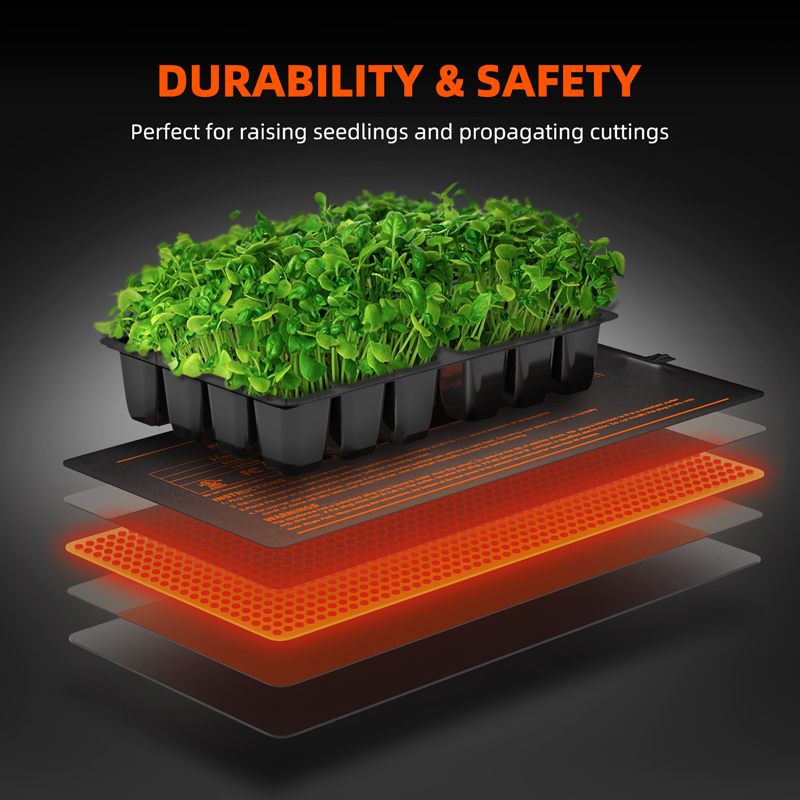
Seed Starter Tray with Heat Mat: Do You Need One?
Which seeds really benefit from bottom heat, and how to use a mat safely.
Read the guide →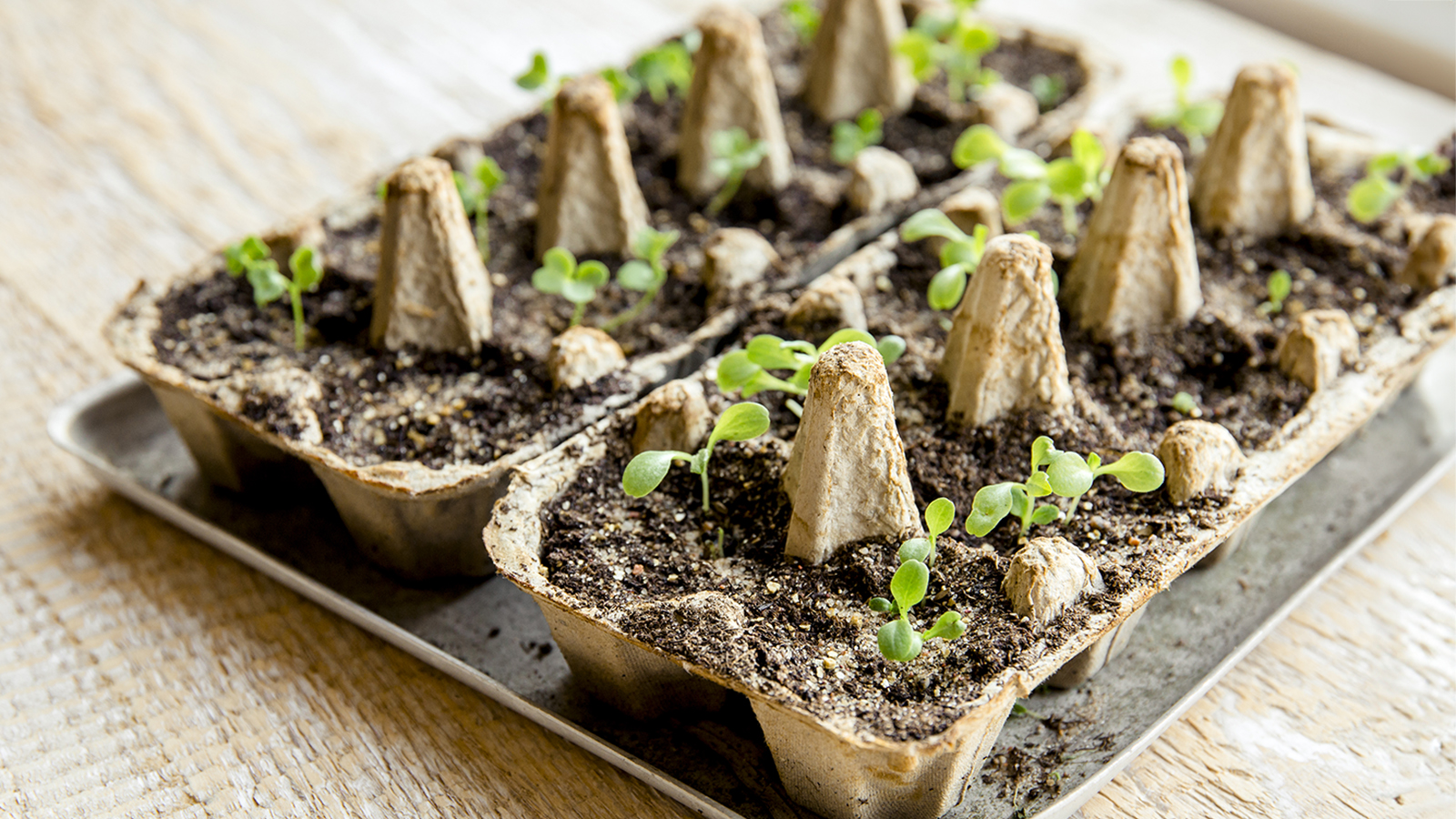
Best Seed Starter Trays for Beginners
A simple, forgiving setup for your first season of starting seeds indoors.
Read the guide →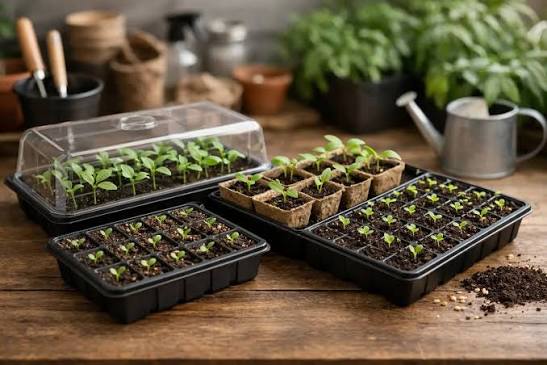
Peat Pots vs Plastic Trays vs Soil Blocks
Pros, cons and best uses for the three most popular ways to start seeds.
Read the guide →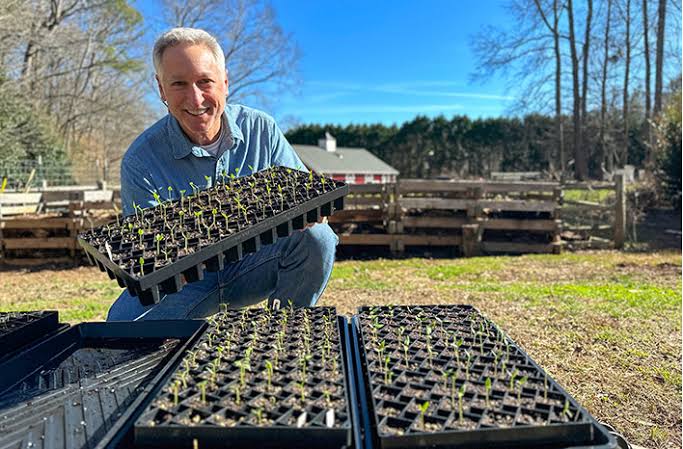
How to Use a Seed Starter Tray (Step by Step)
From filling the cells to thinning seedlings, plus fixes for common problems.
Read the guide →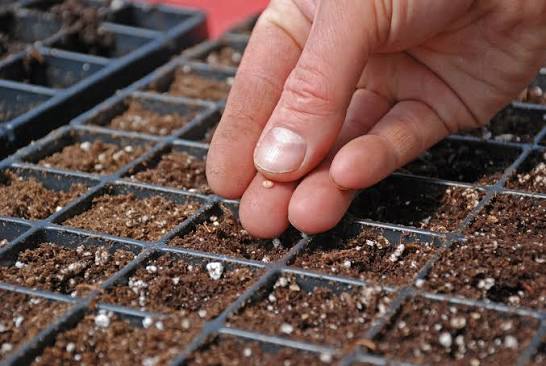
How Deep to Plant Seeds in Starter Trays
A planting depth chart for popular vegetables, herbs and flowers.
Read the guide →Why use a seed starter tray?
Sowing into separate cells is one of the simplest ways to improve your results.
An earlier start
Start seeds weeks before the last frost so plants are ready when the weather allows.
Even moisture
A dome and good drainage help keep soil damp, not soggy, during germination.
Less root shock
Each seedling gets its own space, so roots are easier to lift and transplant.
Easy organizing
One cell per seed makes it simple to label varieties and move the whole batch.
Reusable
A sturdy tray can be washed and used again every season.
Save on plants
Growing from seed costs far less than buying established seedlings.
Ready to start growing?
See the full range of seed starter trays, read recent customer reviews and pick the one that suits your garden.
Buy on Amazon